KEEP IN TOUCH
(07) 3105 7800
Turrbal and Jagera Country
Level 4, 348 Edward Street
Brisbane QLD 4000
(07) 3105 7800
Turrbal and Jagera Country
Level 4, 348 Edward Street
Brisbane QLD 4000
Erin Weekes is a new graduate occupational therapist, who began her career in Mt Isa in January 2025. Health Workforce Queensland (HWQ) has been along for the ride throughout Erin’s rural health journey so far. From supporting her with a Going Rural North bursary for a university placement in Cape York in 2024, to securing her a role with North and West Remote Health in Mt Isa early in 2025, along with a relocation package to help ease the financial burden of the move. Erin has already given back, by committing to attend HWQ’s inaugural Allied Health Student Careers Expo as an exhibitor. We caught up with Erin to reflect on her journey and get some highlights from her time in Mount Isa.
You received a HWQ Going Rural North placement bursary for Cape York, what was that adventure like, and how did it influence your career goals?
In my final year of occupational therapy, I completed a nine-week placement in Weipa, Cape York, supported by the Going Rural North bursary from Health Workforce Queensland. Traveling to such a remote location is costly, and their support eased both financial and logistical pressures, allowing me to fully immerse myself in the experience.
My time in Weipa was a defining moment in my development as an occupational therapist. Although I was a student, I felt genuinely welcomed and embedded in the community, forming both formal and informal relationships with clients, families, and staff. This sense of connection was unlike anything I’d experienced in metropolitan placements, where interactions are often more clinical and structured. Clinically, I practiced with a high level of independence, which strengthened my adaptability, initiative, and clinical reasoning, while also deepening my cultural responsiveness and interdisciplinary collaboration skills, capabilities that continue to shape my practice today.
Beyond the clinical work, the placement offered unforgettable personal experiences from boat trips and late-night fishing to camping under the stars and even crocodile spotting which gave me a true sense of small-community connections.
It was during this placement that I realised rural and remote practice wasn’t just a placement it was the kind of career I wanted. This inspired me to accept a graduate role in Mount Isa, where I continue to pursue my passion for outreach to remote communities, supporting Aboriginal communities including Dajarra and Boulia. Together, these experiences highlight how rural placements do more than build clinical skills; they shape confident, culturally responsive clinicians ready for the realities of remote practice.
Before this, had you ever experienced life in remote or rural communities like Cape York or Mount Isa?
Before heading to Cape York, I spent five weeks in St George during my third year. Coming from Brisbane, it was the longest I had lived away from home, and what started as nerves and excitement quickly became one of the most rewarding experiences of my degree. Living and working in a small town gave me my first real taste of rural practice, the close-knit community, the variety of clinical work, and the trust to step up and contribute. By the time I left, I knew I wanted to go further afield, which led me to Cape York for my final placement and solidified my passion for rural and remote health.
Making the leap from student to professional can feel daunting. How did HWQ support you through your transition and your relocation to Mount Isa?
It was definitely daunting at first, but HWQ made the transition feel achievable. After supporting me with the Cape York bursary, they guided me through exploring graduate opportunities, taking the time to understand my values and professional goals. Their support went beyond pointing me to positions; they helped me find a role that truly aligned with my interests and strengths.
When I accepted a graduate position with North and West Remote Health in Mount Isa, HWQ provided a relocation bursary, easing the financial pressures of moving from Brisbane. More importantly, their guidance and encouragement gave me the confidence to take the leap into rural practice, knowing they had my best interests at heart both personally and professionally.
What has your experience been like working as a new graduate OT in Mount Isa? What kind of support and mentorship have you received?
I absolutely love working as a new graduate OT in Mount Isa! Professionally, it’s been incredibly rewarding. In my rural generalist role, I work across the lifespan, from my youngest client at two to my oldest at 91, and no two days are the same. I feel supported through weekly supervision with a senior OT and ongoing guidance from the wider OT community, who meet monthly to share advice and troubleshoot challenges. Visiting communities like Dajarra and Boulia, yarning with people and learning from their lived experiences, has been an invaluable part of my learning.
Rural and remote practice has also offered opportunities I wouldn’t have had in metropolitan roles. I’ve spoken on ABC Northwest Queensland’s Wellness Wednesdays, explaining the scope of OT to the wider community. I also continue to receive mentorship from my placement supervisor in Weipa, Kate Nevin. We recently collaborated on a research project presented at the Are You Remotely Interested? Conference in Mount Isa, exploring innovative service delivery models. Experiences like these highlight how rural practice provides early-career clinicians with unique opportunities to contribute to evidence-informed practice and lead service innovation.
Socially, the people here make Mount Isa feel like home. Most of us are early-career professionals navigating the challenges of moving away from home, which creates an instant sense of connection. Our team has also bonded outside work through run club, pickleball, and dumpling nights. That mix of professional mentorship and community connection has made my first year as an OT genuinely enjoyable.
What has surprised you most about life and work in Mount Isa?
The social life in Mount Isa has been such a surprise and rodeo season is no joke! From April to August, my calendar was packed with rodeos, camp drafts, canoe races, camel races, you name it. The whole community comes together, and what struck me most was how welcoming and encouraging everyone is. People genuinely want newcomers like me to join in and feel part of everything Mount Isa and the surrounding towns have to offer.
On the professional side, it’s been an incredible opportunity to learn about the roles of other allied health professionals and see how we can all work together to support the same client. In my previous metropolitan placements, I hadn’t had the chance to work closely with the broader chronic care team including dietitians, exercise physiologists, and podiatrists but at North and West Remote Health, interdisciplinary teamwork is central to practice. Collaborating, especially on home visits, and seeing how each discipline brings its expertise to provide truly holistic care has been both eye-opening and inspiring.
Since starting this journey, how has your perception of rural health changed?
My perception of rural health has deepened immensely. Life and practice in remote communities highlight both the challenges and the impact healthcare can have. Limited access to services affects daily life, but even small interventions like providing a mobility aid can dramatically improve independence and quality of life.
I’ve also gained a greater appreciation for the creativity, adaptability, and collaboration required in rural practice. Rural health is about more than clinical skills; it’s about relationships, cultural understanding, and making a meaningful difference. This journey has strengthened my commitment to health equity and shown me the profound impact occupational therapy can have in rural and remote settings.
What would you say to students or new graduates who are hesitant about moving to a remote or rural community?
Take the leap! Rural and remote practice may feel intimidating, but the professional and personal rewards are unparalleled. You’ll develop confidence, adaptability, and cultural responsiveness in ways metropolitan settings often can’t provide. Beyond clinical skills, you’ll build strong community connections, experience local culture, and create friendships that feel like family. Choosing Mount Isa has been one of the best decisions of my career, both professionally and personally. Of course, there are challenges, but the growth, experiences, and sense of belonging far outweigh them.
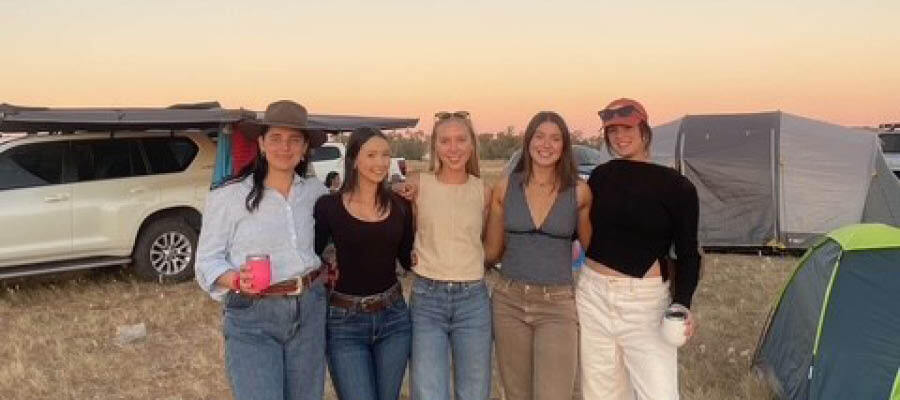
Pictured above: Erin at the Boulia Camel Races with friends and colleagues.
Pictured below (left to right): Equipment trials in Cloncurry, Erin with colleague Heidi Kruger at Mount Isa local school Under 8s Day, Erin with JCU allied health staff visiting Mount Isa from Weipa, Erin's first camping trip at East Leichhardt Dam.

(07) 3105 7800
Turrbal and Jagera Country | Level 4, 348 Edward Street
Brisbane QLD 4000 / GPO Box 2523, Brisbane QLD 4001
HWQ operates a flexible hybrid work environment. Should you wish to meet with a staff member in person, please schedule an appointment.